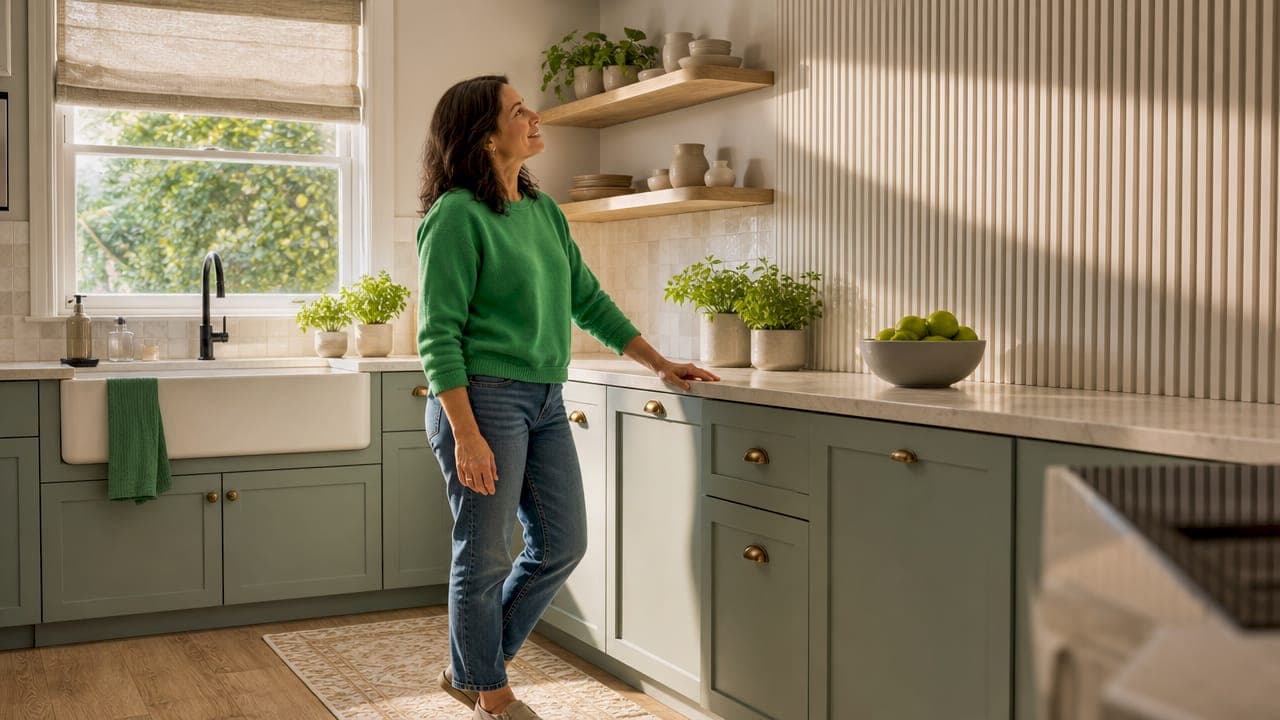
A feature wall renovation is the targeted transformation of one wall in a room using distinct colors, textures, materials, or architectural treatments to create a striking visual focal point. Unlike painting every wall the same shade, this approach concentrates design energy on a single surface to anchor the entire room. The industry term for this practice is "feature wall design," and it covers everything from a bold paint color to floor-to-ceiling wood paneling or built-in cabinetry. Homeowners choose feature wall renovations to add depth, personality, and visual structure without committing to a full room overhaul.
What is feature wall renovation, and how does it work?
A feature wall renovation updates one selected wall with distinct color or architectural treatments to create a focal point that anchors the room visually. The key word is "architectural." A feature wall does not just look different from the surrounding walls. It feels different, because it adds texture, dimension, and material weight that change how you experience the space.
The process works by selecting the wall with the most visual impact, typically the wall you see first when entering a room or the wall behind a bed or sofa. Designers call this the "hero wall." Once identified, the renovation applies materials or finishes that contrast with or complement the rest of the room. The result is a room that reads as intentional and designed rather than assembled by chance.
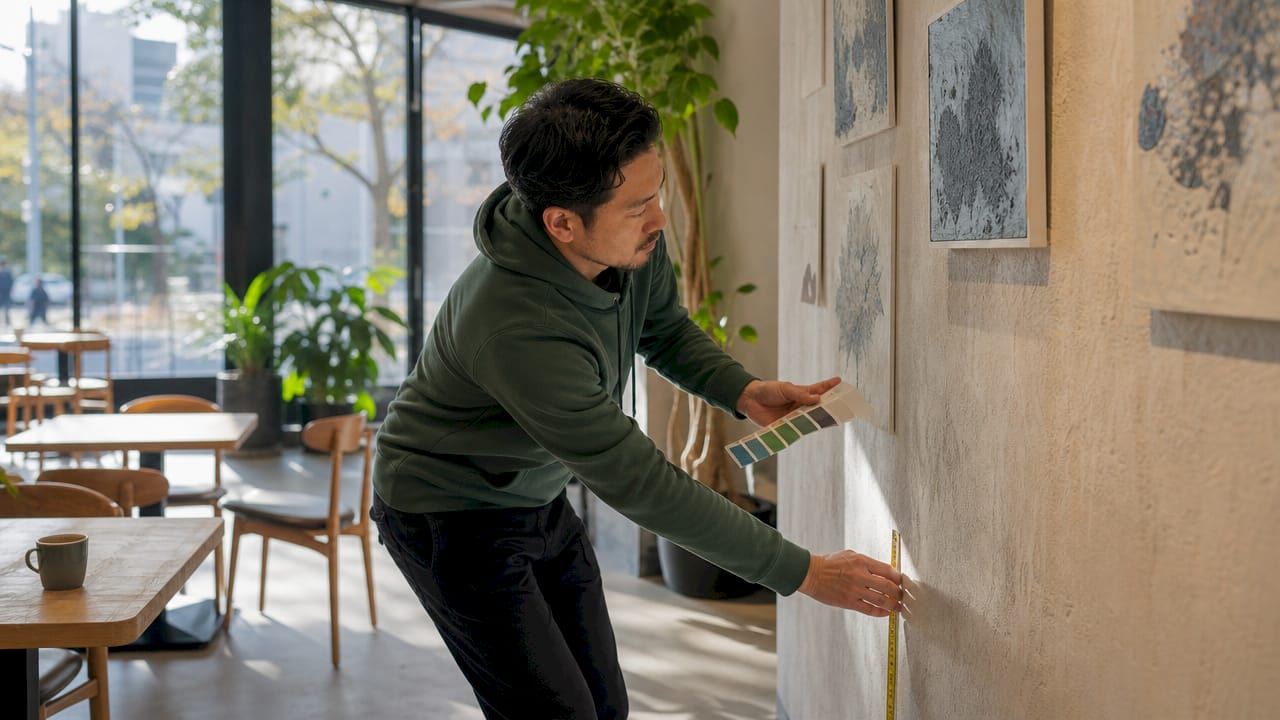
Feature walls work in every room type. In Singapore's HDB flats and condos, where rooms are often compact, a single strong feature wall can make a space feel larger and more considered. In open-concept living areas, a feature wall defines zones without building physical partitions.
What are the main design options for a feature wall?
Feature walls vary from simple painted surfaces to elaborate cabinetry and paneling, giving homeowners a wide range of entry points based on budget and ambition. The material you choose determines both the visual impact and the complexity of installation.
The most common feature wall design options include:
- Paint and color blocking: The most budget-friendly option. A deep, saturated color on one wall creates contrast without any structural work. Limewash paint adds texture through its uneven, layered finish.
- Wallpaper and murals: Botanical prints, geometric patterns, and large-scale murals add personality quickly. Modern peel-and-stick options reduce installation complexity significantly.
- Wood paneling and slat walls: Fluted, ribbed, and slat panels are among the most popular choices right now. Full-height installations create a more polished result than partial panels, which can feel unfinished.
- Millwork and trim: Wainscoting, board-and-batten, and picture-frame molding add architectural detail without heavy materials. These work especially well in living rooms and dining areas.
- Natural stone and tile: Marble, slate, and textured ceramic tiles create a high-end look. These are heavier materials that require professional installation and proper substrate assessment.
- Built-in cabinetry: The most functional option. A wall of built-in shelving or cabinetry serves as storage while acting as a dramatic design statement.
Each material influences room ambiance differently. Wood paneling adds warmth and a natural quality. Stone reads as luxurious and permanent. Paint is flexible and reversible. The right choice depends on the room's existing palette, furniture scale, and the mood you want to create.
How does a feature wall renovation differ from an accent wall?
Feature walls and accent walls are not the same thing, though the terms are often used interchangeably. The distinction matters because it affects how much work, cost, and visual impact you should expect.
An accent wall uses surface finishes only, typically paint or wallpaper, to differentiate one wall from the others. A feature wall goes further by incorporating architectural elements like paneling, trim, cabinetry, or stone that become part of the room's physical structure. Treating a feature wall as an architectural element rather than a decorative surface produces a more immersive and lasting result.
| Point | Accent wall | Feature wall |
|---|---|---|
| Primary treatment | Paint or wallpaper | Panels, cabinetry, stone, millwork |
| Architectural impact | Minimal | Significant |
| Installation complexity | Low | Medium to high |
| Cost range | Low | Medium to high |
| Visual depth | Flat | Three-dimensional |
| Longevity of style | Trend-dependent | Longer-lasting |
Pro Tip: If you want a change you can reverse in a weekend, choose an accent wall. If you want a change that adds lasting value to the room, invest in a feature wall renovation.
The practical implication is clear. An accent wall is a decorating decision. A feature wall renovation is a design decision. The latter requires more planning, more budget, and often a professional contractor, but the payoff in visual impact and resale value is proportionally greater.
What are the key benefits of a feature wall renovation?
A feature wall renovation adds ambience, depth, and personality to a room and can define spatial zones in open-concept layouts. These benefits are concrete, not cosmetic.
The main advantages homeowners gain from a feature wall renovation include:
- Focal point creation: A strong feature wall gives the eye a place to land. This is especially valuable in rooms with minimal furniture or architectural interest.
- Depth and dimension: Textured materials like fluted panels or stone add physical depth to a flat surface. This makes rooms feel more layered and considered.
- Zone definition: In open-plan HDB or condo layouts, a feature wall behind the dining table or sofa visually separates areas without walls or partitions.
- Personality and style: A feature wall is the fastest way to express a design identity in a space. It communicates a point of view that neutral walls cannot.
- Budget efficiency: Renovating one wall costs significantly less than a full room overhaul. Homeowners get a high-impact result without replacing flooring, furniture, or every surface.
- Resale appeal: A well-executed feature wall signals design quality to buyers. It reads as a deliberate upgrade rather than a cosmetic patch.
The zone-definition benefit is underused and underappreciated. In Singapore's open-concept layouts, where the living room, dining area, and kitchen share one continuous space, a feature wall behind the sofa creates a visual boundary that makes the floor plan feel more organized and intentional.
How to plan and execute a feature wall renovation successfully
Intentional design with attention to layout, room proportions, and flow makes a feature wall feel purposeful rather than arbitrary. The planning phase determines whether the result looks designed or accidental.
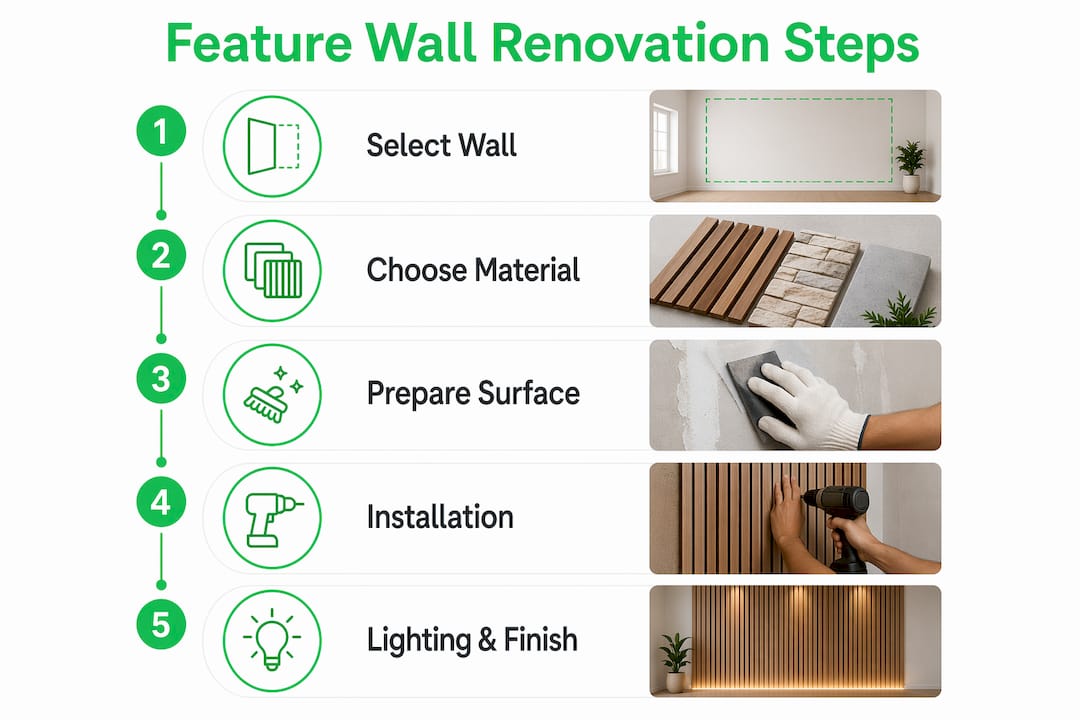
Follow these steps to get it right:
-
Identify the problem you are solving. A feature wall should address a specific design gap: a flat, uninspiring bed wall, a long hallway that needs visual punctuation, or an open-plan space that lacks definition. Start with the problem, not the material.
-
Assess the wall's condition. Successful feature wall renovations begin with evaluating the substrate for suitability. Uneven surfaces, moisture damage, or poor adhesion can cause panels or wallpaper to fail. Fix the wall before applying any finish.
-
Create a moodboard. Collect images of feature walls that appeal to you and identify the common elements. Is it the material, the color, the scale, or the lighting? A moodboard reveals your actual preferences faster than browsing alone.
-
Test samples at real scale. Using sample boards or test patches prevents costly surprises after installation. Paint colors shift dramatically between a small swatch and a full wall. Panel samples show how the texture reads at distance.
-
Plan your lighting. Side lighting enhances depth in textured walls like wood slats or fluting. Even, flat lighting can cancel out the three-dimensional effect you paid for. Decide on your lighting placement before installation, not after.
-
Set a realistic budget. Material costs vary widely. Paint is the cheapest option. Natural stone and built-in cabinetry sit at the top end. Factor in labor, substrate preparation, and lighting as separate line items.
-
Hire the right contractor. Feature walls often require contractors to evaluate structural and finishing details to confirm compatibility with chosen materials. A poor installation undermines even the best material choice.
Pro Tip: Choose your feature wall material after you have selected your furniture, not before. The wall should frame the room's contents, not compete with them.
The lighting step catches most homeowners off guard. A fluted timber panel wall looks stunning under directional spotlights and flat under recessed downlights. Commit to your lighting plan before the panels go up, because retrofitting lighting after installation is expensive and disruptive.
Key takeaways
A feature wall renovation is the single highest-impact design change you can make to a room without a full remodel, because it adds architectural depth, defines space, and signals design quality to anyone who enters.
| Point | Details |
|---|---|
| Definition | A feature wall renovation transforms one wall using materials, texture, or architectural detail to anchor the room. |
| Feature vs. accent wall | Feature walls add physical depth and structure; accent walls use surface finishes only. |
| Best materials | Wood paneling, stone, millwork, and built-in cabinetry deliver the strongest long-term impact. |
| Planning first | Assess wall condition, test samples, and plan lighting before committing to any material. |
| Zone definition | A feature wall behind a sofa or dining table creates spatial separation in open-plan layouts. |
Why most feature walls miss the mark
Most feature walls I see fail for the same reason: the homeowner chose a material before choosing a purpose. A dramatic fluted panel wall in a room full of competing patterns and oversized furniture does not read as bold. It reads as busy. The wall loses its power because nothing in the room lets it breathe.
The feature walls that hold up over time share one quality. They are integrated. The material connects to the flooring, the furniture scale fits the wall's proportions, and the lighting was planned alongside the installation. When those three elements align, the wall stops being a "feature" and starts being architecture.
I have also seen homeowners skip the lighting step entirely and wonder why their textured panel wall looks flat in photographs. Texture needs shadow to read as texture. A single directional light source placed at an angle to the wall reveals every groove and ridge. Without it, you have paid for dimension that no one can see.
The best feature wall ideas are not the most expensive ones. They are the most considered ones. A single coat of limewash paint on the right wall, lit correctly and paired with the right furniture, outperforms a poorly planned stone installation every time. Spend your budget on planning and lighting before you spend it on materials.
— Rayner
Feature wall renovation services from Honestbuilders
Honestbuilders handles feature wall renovations across Singapore's HDB flats, condos, and landed homes, from carpentry and paneling to painting, tiling, and interior film application.

Whether you want a timber slat wall in your bedroom, a stone-effect feature behind your TV console, or a full built-in cabinetry wall in your living room, Honestbuilders delivers the workmanship and accountability that the job requires. Every project starts with an honest assessment of your wall's condition and your budget. No hidden charges, no runaround. WhatsApp Honestbuilders at +65 9447 9696 or visit honestbuilders.sg for a free, no-obligation quote on your feature wall renovation.
FAQ
What is a feature wall in home design?
A feature wall is one wall in a room treated with distinct materials, colors, or architectural details to create a visual focal point. It differs from the surrounding walls in texture, depth, or finish.
How much does a feature wall renovation cost in Singapore?
Cost depends on the material and wall size. Paint and wallpaper are the most affordable options, while natural stone, built-in cabinetry, and custom paneling sit at the higher end. A contractor assessment gives you the most accurate figure for your specific wall.
Can I install a feature wall in a small HDB room?
Yes. A feature wall works especially well in small rooms because it draws the eye to one surface and makes the space feel more intentional. Lighter materials like slim slat panels or limewash paint avoid adding visual bulk.
How long does a feature wall renovation take?
Timeline depends on the material. A paint or wallpaper feature wall can be completed in one to two days. Wood paneling or built-in cabinetry typically takes three to seven days, including substrate preparation and finishing.
Do feature walls add resale value to a property?
A well-executed feature wall signals design quality to buyers and can strengthen a property's appeal. The key word is "well-executed." A poorly installed or trend-chasing feature wall can have the opposite effect.