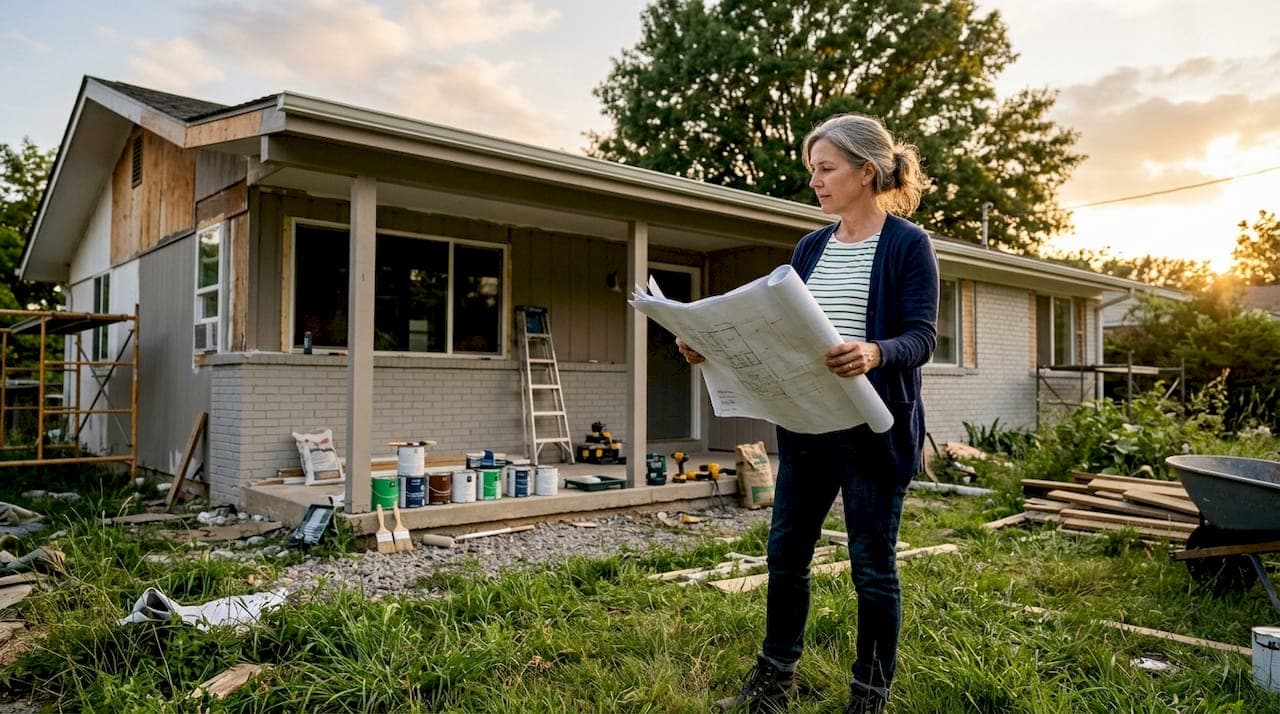
Renovating before moving in means completing major upgrades, safety fixes, and messy construction work before your belongings arrive, giving you a finished, comfortable home from day one. Pre-move renovation, the industry term for this practice, is the most effective way to protect your investment, reduce disruption, and avoid costly rework. An empty home lets contractors move freely, work faster, and sequence jobs correctly. Homebuyers who skip this window often pay more later, both in money and in stress.
Why renovate before moving in: the core case
The single strongest reason to renovate before moving in is access. Trades work faster without furniture, boxes, and people to work around. There are no rugs to roll up, no appliances to shift, and no family meals to schedule around a disabled kitchen.
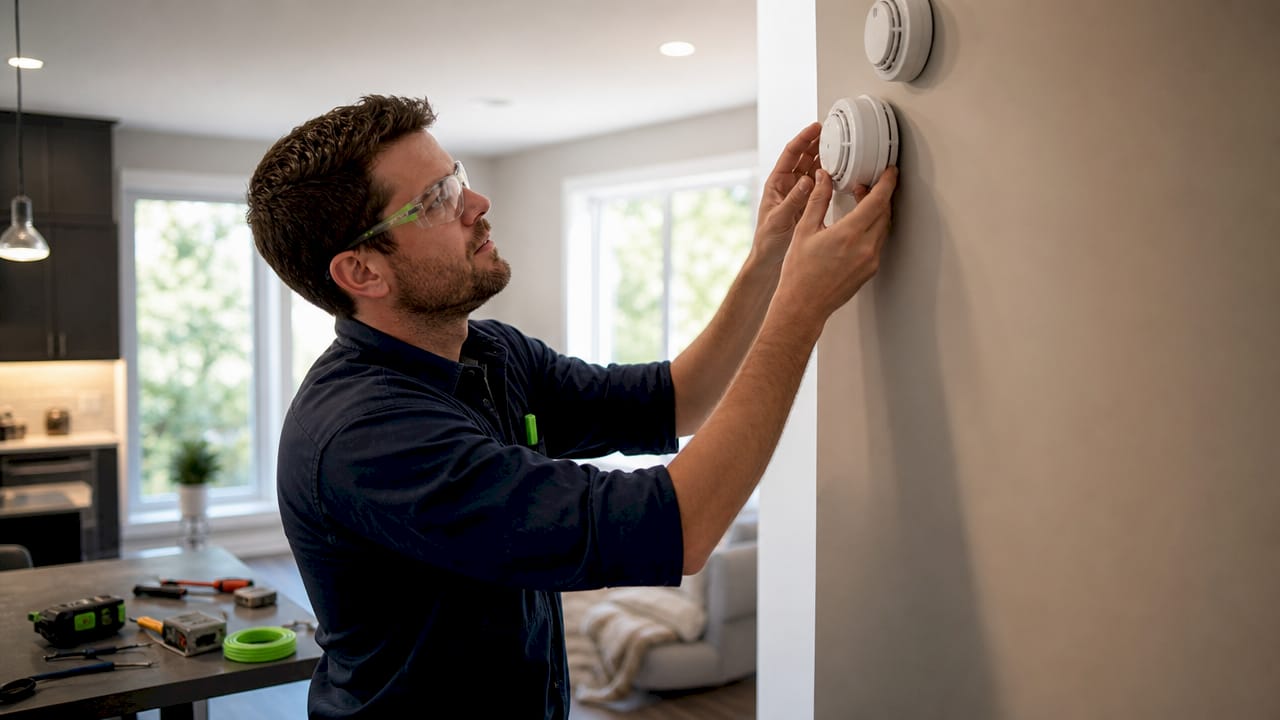
Safety is the second reason. Interconnected smoke and CO alarms, GFCI electrical protections, and radon testing should all be completed and verified before anyone sleeps in the home. Discovering a wiring fault or a gas leak after you have moved in creates a genuine emergency. Catching it during renovation is a scheduled repair.
The third reason is sequencing. Renovation work has a correct order, and skipping it costs money. Electrical, plumbing, and structural fixes must come before paint and flooring. If you install new timber floors before a plumber fixes a slow leak behind the wall, you will pull those floors up again within a year.
What to fix before moving in: project priorities
Not every project needs to happen before move-in day. The right approach is to rank jobs by their impact on safety, structural integrity, and finish quality.
Safety and structural work (always pre-move):
- Electrical rewiring, panel upgrades, and GFCI installation
- Plumbing repairs, pipe replacements, and water heater checks
- Smoke detector and CO alarm installation on every level
- Hazard testing: lead paint, asbestos, radon, and mold screening
- Roof, waterproofing, and structural crack repairs
Messy, disruptive work (strongly pre-move):
- Hacking and demolition of walls or floors
- Tiling, screed laying, and wet works
- Full bathroom and kitchen remodels
- Painting throughout, since empty home painting allows better airflow, faster drying, and no furniture to mask or move
Work that can wait until after move-in:
- Decorative shelving and feature walls
- Landscaping and garden upgrades
- Furniture built-ins that depend on how you actually use the space
Pro Tip: Test for lead paint and asbestos before any demolition or sanding. Early hazard remediation must precede all cutting, grinding, and surface work to protect both workers and future occupants.
The logic is simple. Any project that creates dust, requires wall access, or risks damaging finished surfaces belongs in the pre-move window. Cosmetic changes that depend on how you live in the space can wait.
How pre-move renovation saves time and money
Renovating after you move in is expensive in ways that are easy to underestimate. Full kitchen remodels can disable your kitchen for 6–12 weeks. Bathroom renovations typically take 2–4 weeks depending on scope. During that time, you are ordering takeout, showering at a gym, and living around construction noise every day.
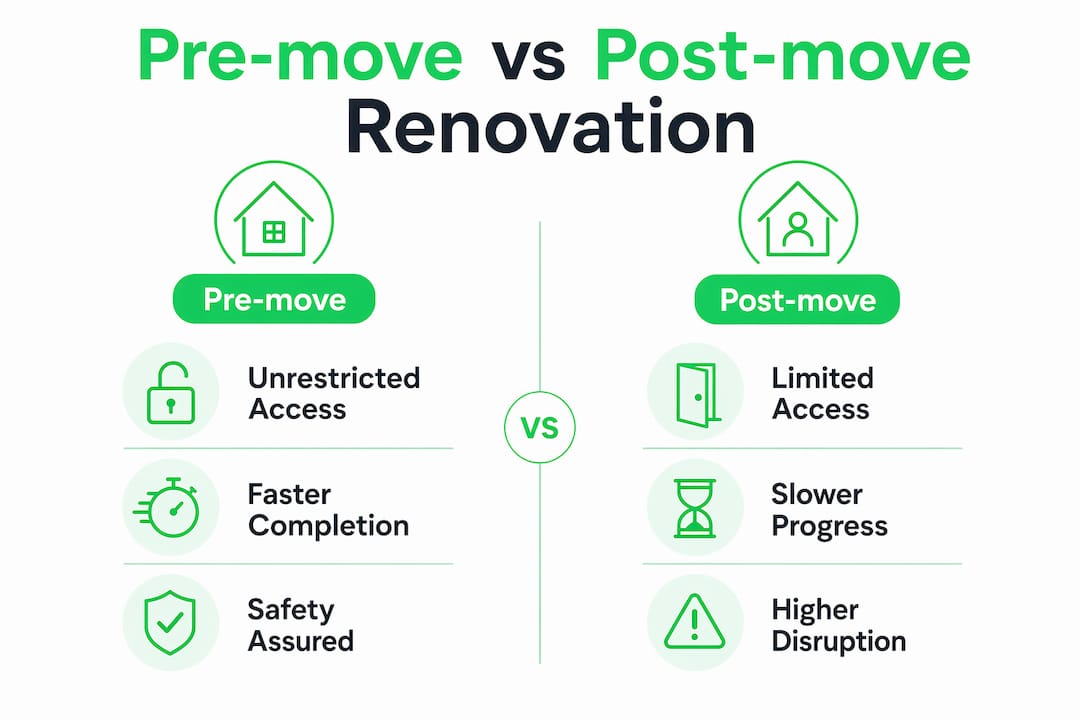
Contractors also work more slowly in occupied homes. They must protect your belongings, limit work hours to avoid disturbing your sleep, and pause when the space is in use. In an empty home, a team can start early, work late, and move between rooms without restriction. That speed directly reduces labor costs.
The sequencing benefit is equally significant. Installing flooring before plumbing is a common mistake that forces homeowners to redo expensive finishes after a leak is discovered. Painting patched walls twice wastes both materials and contractor time. Doing all behind-the-wall work first, then finishing surfaces, eliminates this rework entirely.
| Scenario | Pre-move renovation | Post-move renovation |
|---|---|---|
| Contractor access | Unrestricted, faster work | Limited by belongings and schedules |
| Dust and noise impact | No occupants affected | Daily disruption to family life |
| Risk of finish rework | Low, correct sequence followed | High if plumbing or electrical issues found later |
| Kitchen or bathroom downtime | Completed before you need it | Weeks without a functional room |
| Overall project timeline | One continuous period | Fragmented across months |
Floor removal generates harmful crystalline silica dust that typically requires vacating the home entirely. Doing it pre-move eliminates that problem and the cost of temporary accommodation during the work.
What are the challenges of renovating before moving in?
Pre-move renovation is not without real trade-offs. Homebuyers need to plan for these honestly.
Timeline risk is the biggest challenge. Renovation schedules slip. A delayed tile delivery, an unexpected structural issue behind a wall, or a contractor falling sick can push your move-in date back by weeks. You need a buffer in your lease or temporary housing plan.
Temporary accommodation adds cost. If you have already sold or vacated your previous home, you will need to rent short-term while renovation runs. In Singapore, serviced apartments and short-term rentals add up quickly, and that cost must sit inside your overall renovation budget.
Other common challenges include:
- Difficulty making design decisions before living in the space
- Risk of over-renovating rooms you may use differently than expected
- Coordinating multiple trades across a tight pre-move window
- Managing contractor payments and progress without being on site daily
Pro Tip: Rushing to fix problems before fully understanding how you will use the space can lead to solving the wrong problems. For cosmetic decisions like cabinet placement or feature wall colors, consider living in the space for a few weeks first if the project is not safety-critical.
The key is separating non-negotiable pre-move work from optional upgrades. Safety, structural, and wet works belong in the pre-move window. Everything else can be evaluated once you are living in the home.
Best practices for planning your pre-move renovation
A well-run pre-move renovation follows a clear sequence and a realistic budget. Skipping either creates problems that compound quickly.
-
Start with a full inspection. Before signing off on any renovation scope, get a licensed inspector to assess electrical, plumbing, structural, and hazard conditions. This tells you what is non-negotiable and what is cosmetic.
-
Follow the correct renovation sequence. Structural and hacking work comes first. Electrical and plumbing rough-in follows. Then waterproofing, screed, and tiling. Carpentry and built-ins come next. Painting is last before flooring installation.
-
Implement dust and air management from day one. Floor removal noise can reach 85–95 dB and airborne particulates require daily cleanup even in empty homes. Use plastic containment, zipper walls, and HEPA vacuuming to keep dust from settling into finished areas.
-
Set a realistic budget with a contingency. Renovation costs in Singapore regularly run over initial estimates when hidden issues appear behind walls. A contingency of 15–20% of your total budget is a standard professional recommendation.
-
Decide what to defer. Not every upgrade needs to happen before move-in. Built-in wardrobes, feature walls, and landscaping can follow once you understand how you use the space.
"Do not install final finish materials like tile, flooring, or paint until all behind-the-wall work is complete. Discovering a plumbing or electrical issue after finishes are in place means tearing them out and starting over."
Painting before move-in is one of the highest-value pre-move tasks. An empty home allows painters to cover every surface without masking furniture, and better airflow during drying produces a cleaner finish with fewer touch-ups needed later.
Key takeaways
Pre-move renovation is the most effective way to complete safety, structural, and messy work before occupancy, saving time, money, and significant daily disruption.
| Point | Details |
|---|---|
| Safety work is non-negotiable pre-move | Electrical, plumbing, smoke alarms, and hazard testing must be done before anyone occupies the home. |
| Correct sequencing prevents costly rework | Finish surfaces only after all behind-the-wall work is complete to avoid tearing out new floors or paint. |
| Empty homes speed up contractor work | Trades work faster without furniture and occupants, reducing labor time and overall project cost. |
| Disruption is far lower pre-move | Kitchen and bathroom downtime of 6–12 weeks hits harder when you are living in the home. |
| Budget for delays and contingencies | Renovation timelines slip; a 15–20% cost buffer and flexible temporary housing plan are standard practice. |
Pre-move renovation: what I have seen work and what does not
I have watched homebuyers make the same mistake repeatedly. They move in first, planning to "do the renovation later," and later never comes on schedule. Once your sofa is in the living room and your kids are in school nearby, the appetite for dust and noise drops to near zero. The kitchen remodel gets pushed back a year. The bathroom tiles stay cracked for two.
The homebuyers who get it right treat the gap between settlement and move-in as a construction window, not dead time. They book contractors before they even get the keys. They accept that temporary accommodation for four to six weeks is a one-time cost that pays off for years.
The one area where I push back on the "renovate everything first" instinct is cosmetic decisions. I have seen homeowners install elaborate built-in shelving before they lived in a room, only to realize the layout did not suit how they actually used the space. For anything structural or safety-related, do it before you move in. For anything decorative, give yourself a few months of living in the space first. That patience saves money and regret.
The phased approach works. Safety and structure in the pre-move window. Cosmetics and upgrades in the first year. It keeps costs manageable and decisions informed.
— Rayner
Honestbuilders can get your new home ready before you move in
Honestbuilders is Singapore's trusted renovation and handyman specialist, serving HDB, condo, landed, and commercial properties island-wide. If you are planning a pre-move renovation, the team handles the full scope: hacking, electrical, plumbing, tiling, carpentry, painting, and space planning.

Every project at Honestbuilders runs on two values: workmanship and accountability. No hidden charges, no runaround. The team shows up, sequences the work correctly, and stands behind every job. WhatsApp Honestbuilders at +65 9447 9696 for a free, no-obligation quote and get your new home move-in ready before the boxes arrive.
FAQ
What should I renovate before moving into a new home?
Prioritize electrical upgrades, plumbing repairs, smoke and CO alarm installation, and any hacking or wet works. These projects are safer, faster, and cheaper to complete in an empty home before your belongings arrive.
Is it worth renovating before moving in if it delays my move-in date?
Yes, for safety and structural work. A short delay to complete electrical, plumbing, and waterproofing correctly prevents far more costly repairs and disruption after you are living in the home.
How long does a pre-move renovation typically take?
Timelines vary by scope. A full bathroom remodel takes 2–4 weeks; a kitchen remodel can take 6–12 weeks. Build a buffer into your temporary housing plan to account for common delays.
Can I do some renovation work after moving in?
Cosmetic upgrades like feature walls, decorative shelving, and landscaping are well-suited to post-move completion. Safety, structural, and messy wet works should always be finished before occupancy.
How do I keep renovation costs under control before moving in?
Follow the correct renovation sequence, get a full inspection before finalizing scope, and set aside a contingency of 15–20% of your total budget for unexpected issues found behind walls or under floors.