
Bathroom renovation styles are defined by the combination of materials, fixtures, color palettes, and spatial layouts that give a bathroom its distinct character. The most sought-after types of bathroom renovation styles in 2026 blend transitional timelessness with natural textures and functional wellness features. Transitional design leads the field, favored by 70% of homeowners, with 96% of those preferring neutral tones like off-white, light brown, and tan. That preference signals a clear shift away from stark, sterile bathrooms toward spaces that feel warm, personal, and built to last. Understanding which style fits your home, your lifestyle, and your budget is the first real decision in any bathroom remodel.
1. Types of bathroom renovation styles: the six most popular in 2026
The six styles below represent the most requested bathroom renovation approaches this year. Each one has a distinct set of materials, finishes, and fixtures that define it.
Transitional/timeless
Transitional style sits between traditional and modern. It uses neutral colors, warm wood tones, and clean-lined fixtures without committing fully to either camp. Think shaker-style vanities paired with frameless mirrors and matte stone countertops. This style ages well because it avoids trend-specific details that date quickly.
Organic/natural
The organic style draws from biophilic design principles, which connect interior spaces to natural environments. Natural stone, live-edge wood shelving, and earthy ceramic tiles define this look. Color palettes stay close to the ground: terracotta, moss green, warm beige, and sand. This style works especially well in bathrooms with access to natural light.
Modern/contemporary
Modern bathrooms prioritize clean geometry and minimal visual clutter. Large-format tiles, floating vanities, and integrated storage keep surfaces unbroken. Fixtures lean toward matte black or brushed nickel, though 2026 is seeing a shift toward warmer metals. The goal is a bathroom that looks deliberate and uncluttered without feeling cold.
Luxury spa/private spa
Spa-style bathrooms replicate the sensory experience of a high-end retreat at home. Heated floors appear in 54% of renovation projects this year, and steam showers are a defining feature of this category. Layered lighting using cove, wall-grazing, and vanity-task sources creates warmth that no single overhead fixture can replicate. This style demands the highest renovation investment but delivers the strongest return in daily comfort.
Rustic/Japandi
Japandi blends Japanese minimalism with Scandinavian warmth. The result is a bathroom that feels calm, uncluttered, and grounded. Natural wood, washi-textured wall panels, matte ceramic basins, and neutral linen tones define the palette. Clutter is the enemy of this style. Every item in the room must earn its place.
Art Deco revival
Art Deco brings drama back to the bathroom. Geometric mosaic tiles, brass fixtures, jewel-tone accents like emerald or sapphire, and bold black-and-white contrasts define this look. It suits larger bathrooms where statement elements have room to breathe. This style requires confident material choices and precise installation to avoid looking overdone.
Pro Tip: If you are unsure which style fits your home, photograph three rooms you already love and identify the common thread. That thread is your style.
2. How 2026 renovation trends shape your style choices
Knowing the trends behind each style helps you make decisions that hold up over time, not just for the next year.
Natural light is now a design priority
Natural light features in 62% of bathroom renovation projects in 2026. That number reflects a broader shift toward wellness-centered design. Skylights, frosted clerestory windows, and light-reflective tile placements are all being used to maximize daylight. A brighter bathroom feels larger and supports the organic and transitional styles especially well.
Large-format tiles dominate flooring choices
Large-format flooring is the top flooring choice among professionals this year, preferred by 80% of renovation specialists. Fewer grout lines create a cleaner, more expansive look. The tradeoff is real: large tiles require a flatter substrate and more precise installation. Labor costs for large-format tile run roughly 15–20% higher than standard tile work, so budget accordingly.
Warm metals replace matte black
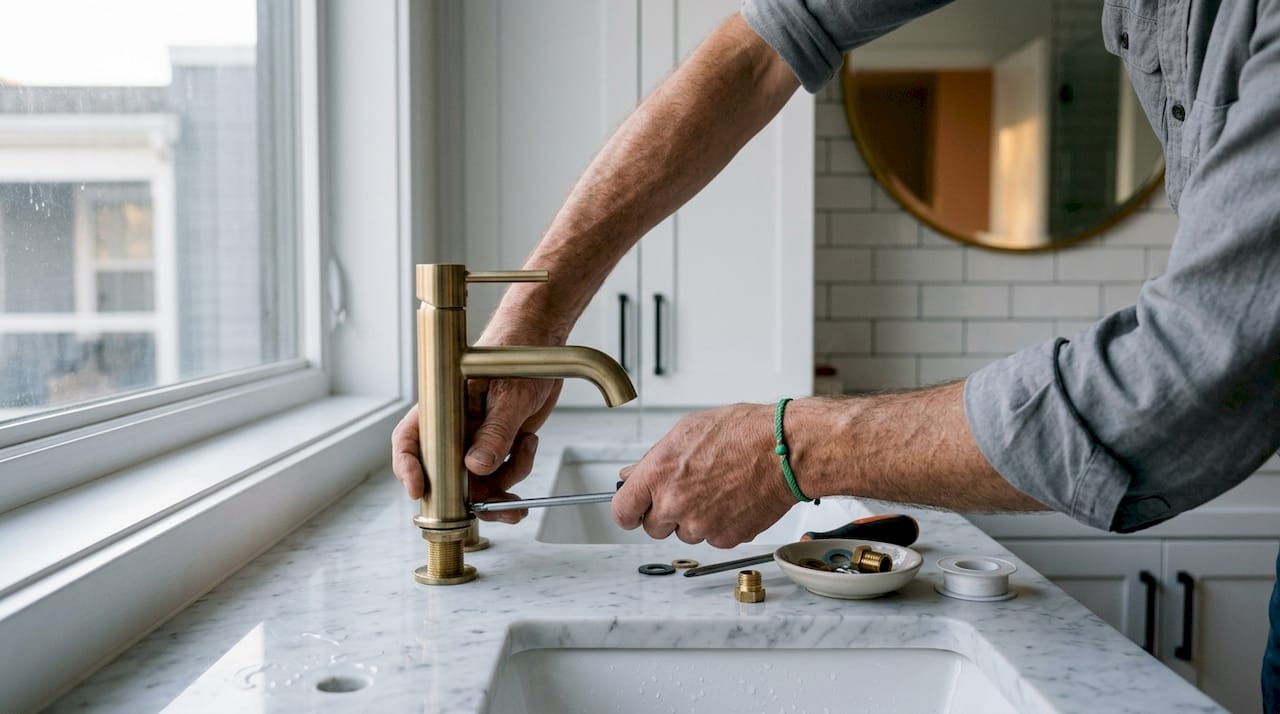
Brushed brass and copper fixtures are replacing the matte black hardware that dominated the last several years. Warm metals pair naturally with limestone, oak, and layered lighting schemes. This shift is not just aesthetic. It reflects a broader move toward bathrooms that feel lived-in and personal rather than showroom-perfect.
Wellness features are becoming standard
Heated floors, steam showers, and chromotherapy lighting are no longer luxury add-ons. They are increasingly standard in mid-range renovations. Universal design features like curbless showers and floating vanities now appear in mainstream renovations, valued for both accessibility and visual elegance. These features serve aging-in-place needs without sacrificing style.
Pro Tip: Install a dimmer switch on every bathroom circuit. Layered lighting only works when you can control each layer independently.
| Trend | Adoption rate | Key benefit |
|---|---|---|
| Natural light integration | 62% of projects | Enhances spaciousness and wellness |
| Large-format tile flooring | 80% of professionals | Fewer grout lines, cleaner look |
| Heated floors | 54% of projects | Daily comfort, spa-like feel |
| Biophilic design elements | 42% of projects | Connection to nature, calming effect |
3. Comparing bathroom styles by materials, complexity, and investment
Not every style suits every bathroom. Size, layout, and budget all influence which renovation approach makes sense.
| Style | Key materials | Complexity | Best suited for |
|---|---|---|---|
| Transitional/timeless | Neutral stone, shaker cabinetry, matte fixtures | Low to medium | Most bathroom sizes |
| Organic/natural | Natural stone, wood, earthy ceramics | Medium | Medium to large bathrooms |
| Modern/contemporary | Large-format tile, floating vanities, glass | Medium to high | Compact and open-plan bathrooms |
| Luxury spa | Heated floors, steam glass, layered lighting | High | Master bathrooms with larger footprints |
| Rustic/Japandi | Matte ceramics, natural wood, linen tones | Low to medium | Small to medium bathrooms |
| Art Deco revival | Geometric mosaic, brass, jewel tones | High | Larger bathrooms with statement space |
Matte, honed, and satin finishes are replacing high-gloss surfaces across all styles. That shift matters for maintenance. Matte finishes show fewer water spots and fingerprints, but they require non-abrasive cleaners to avoid surface damage. Natural stone like limestone needs sealing every one to two years regardless of style.
Waterproofing and integrated drainage are the most critical hidden investments in any bathroom renovation. Neglecting them can cause structural failure within one to two years, regardless of how good the surface finishes look. This applies especially to wet rooms, curbless showers, and any style that uses natural stone on the floor. A beautiful bathroom that leaks is not a finished bathroom.
Styles with higher material complexity, like Art Deco mosaic work or spa-style heated floors, also carry higher labor costs. A step-by-step renovation plan helps you sequence these investments correctly and avoid costly rework.
4. How to mix bathroom renovation styles effectively
Mixing styles is one of the most effective ways to create a bathroom that feels personal rather than catalog-perfect. The key is choosing one dominant style and letting the second play a supporting role.
- Anchor with one style. Pick a primary style that defines the major surfaces: floor tile, wall finish, and vanity. The secondary style shows up in accessories, hardware, and textiles.
- Use a shared color thread. Japandi and Scandinavian styles mix well because both favor warm neutrals and natural wood. Transitional and organic styles share earthy tones and natural stone. Color is the easiest bridge between two styles.
- Limit your metal finishes to two. Mixing brushed brass with matte black works. Adding chrome, nickel, and copper to the same room creates visual noise. Pick two and commit.
- Let texture do the work. When two styles share a similar palette, texture creates the distinction. A smooth limestone wall next to a rough-hewn wood shelf reads as intentional contrast, not confusion.
- Know when to call a professional. If you are combining three or more style influences, a space planning consultation prevents the room from feeling disjointed. A professional eye catches proportion and balance issues before materials are ordered.
The most common mistake in style mixing is adding too many statement pieces. One bold element, a geometric tile floor, a brass freestanding tub, or a dramatic mirror, is enough. Two bold elements compete. Three create chaos.
Key takeaways
The most durable bathroom renovations combine a clear style identity with quality hidden infrastructure, particularly waterproofing, drainage, and layered lighting.
| Point | Details |
|---|---|
| Transitional style leads in 2026 | 70% of homeowners prefer this style for its neutral tones and timeless appeal. |
| Waterproofing is non-negotiable | Poor waterproofing causes renovation failure within one to two years, regardless of surface quality. |
| Large-format tiles cost more to install | Labor precision requirements push installation costs 15–20% higher than standard tile work. |
| Warm metals are replacing matte black | Brushed brass and copper now define 2026 fixture trends across most popular styles. |
| Mix styles with one dominant anchor | Choose one primary style for major surfaces and let the second style appear in accents only. |
What I have learned about choosing bathroom styles that last
After seeing hundreds of bathroom renovations across HDB flats, condos, and landed homes in Singapore, one pattern stands out clearly. Homeowners who chase the most current trend often renovate again within five years. Homeowners who anchor their choices in a timeless base style and layer in trend-forward accents rarely need to.
The transitional style's dominance is not accidental. It gives you a stable foundation of neutral stone, warm wood, and clean lines, then lets you swap out hardware, textiles, and accessories as your taste evolves. That is a much cheaper update than retiling a floor.
The detail I see most often overlooked is lighting. Homeowners spend weeks choosing tile and days choosing a vanity, then accept whatever the electrician suggests for lighting. That is backwards. Lighting placement defines how every other material in the room looks. A warm-toned limestone wall under cool overhead lighting looks flat and gray. The same wall under warm cove lighting looks rich and inviting.
My honest advice: spend 20% of your renovation budget on what you cannot see. Waterproofing, drainage, wiring for layered lighting, and substrate preparation. Those invisible investments are what separate a bathroom that holds up for fifteen years from one that starts showing problems in three.
— Rayner
Honestbuilders can bring your bathroom style to life
Choosing a style is the exciting part. Executing it correctly is where experience matters.

Honestbuilders handles bathroom renovations in Singapore across HDB flats, condos, and landed properties. The team covers every phase: hacking, waterproofing, tiling, electrical, plumbing, carpentry, and painting. Every project runs on two principles: workmanship and accountability. No hidden charges, no runaround. Whether you are planning a Japandi refresh or a full luxury spa conversion, Honestbuilders delivers the quality behind the finish, not just the finish itself. WhatsApp the team at +65 9447 9696 for a free, no-obligation quote.
FAQ
What is the most popular bathroom renovation style in 2026?
Transitional/timeless design is the most popular style, favored by 70% of homeowners. It uses neutral colors, warm materials, and clean lines that work across most bathroom sizes and property types.
How much more do large-format tiles cost to install?
Large-format tile installation runs roughly 15–20% higher in labor costs than standard tile work. The substrate must be flatter and the installation more precise to prevent cracking.
What hidden elements matter most in a bathroom renovation?
Waterproofing and integrated drainage are the most critical investments. Neglecting them can cause structural failure within one to two years, regardless of how good the surface finishes look.
Can I mix two bathroom renovation styles in one room?
Yes, but one style should dominate the major surfaces while the second appears only in accents, hardware, and textiles. Sharing a common color palette between the two styles keeps the room cohesive.
Are warm metal fixtures replacing matte black in 2026?
Brushed brass and copper are replacing matte black as the dominant fixture finish in 2026. These warm metals pair naturally with natural stone, wood, and layered lighting schemes.